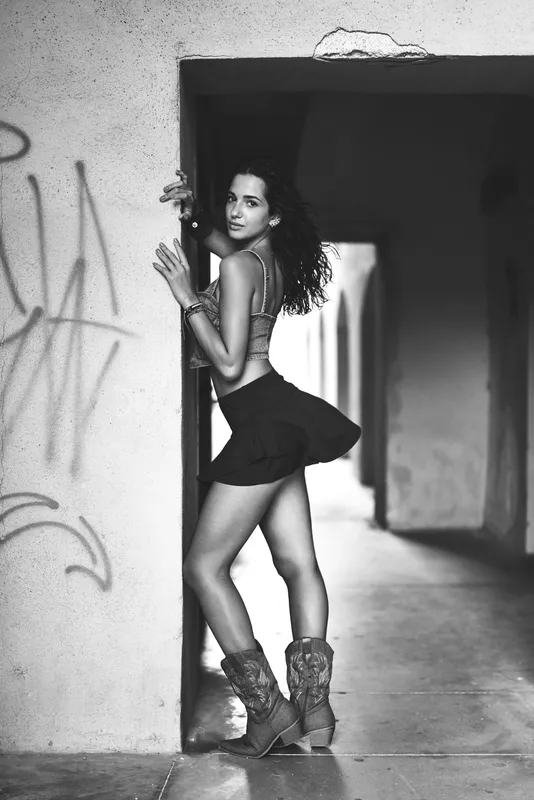
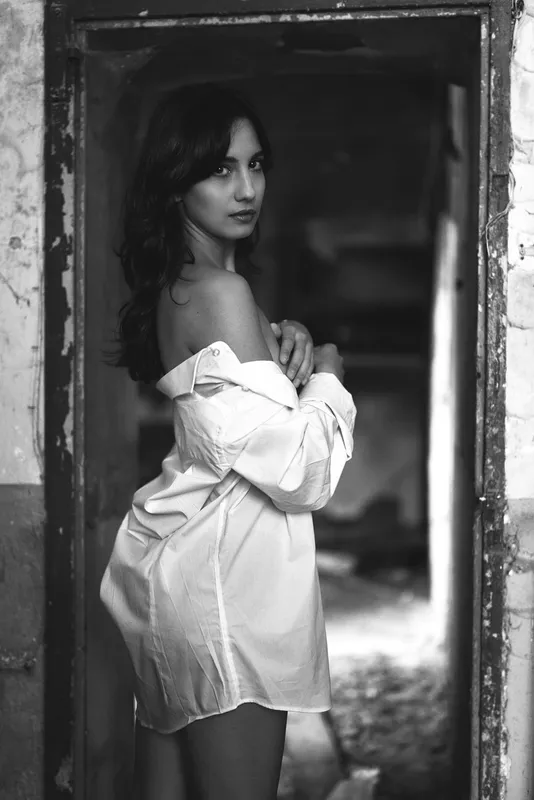
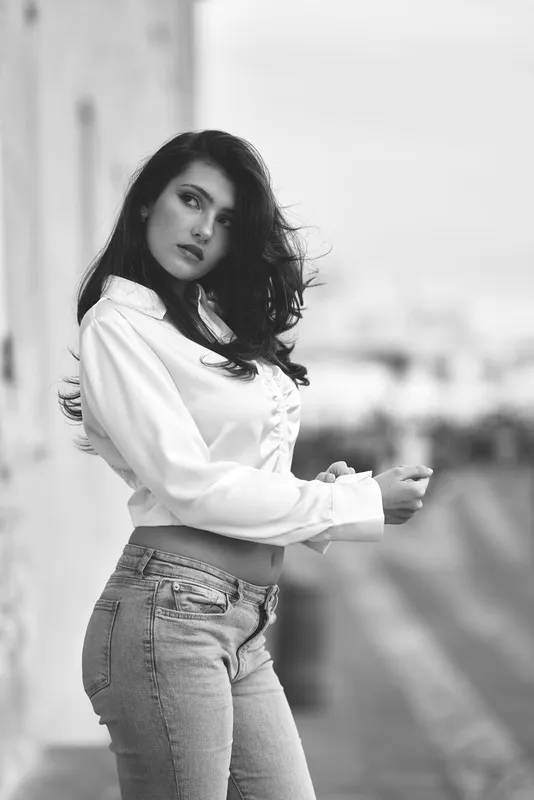
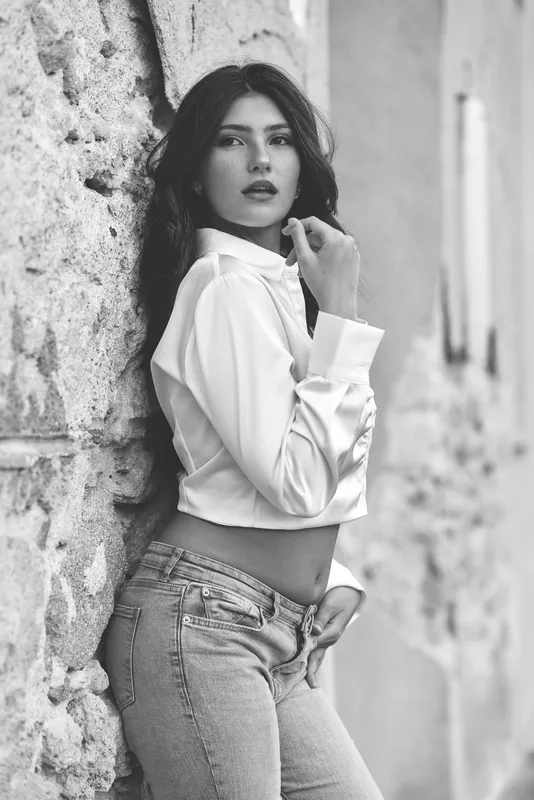
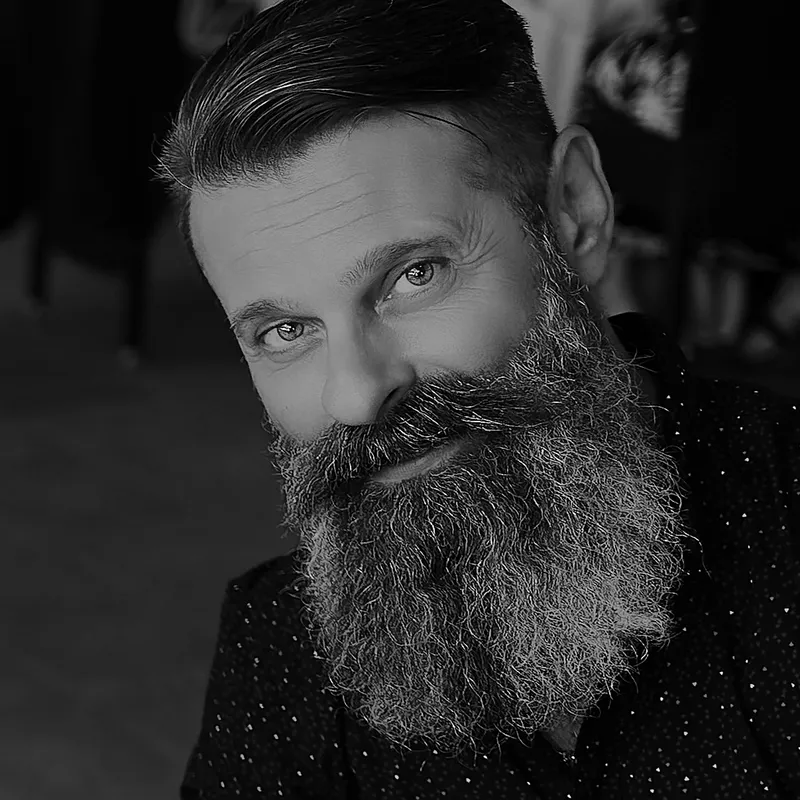
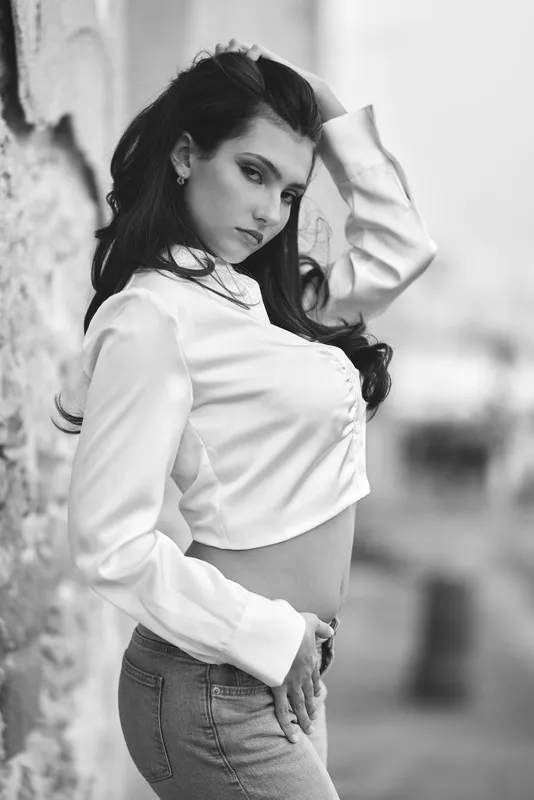
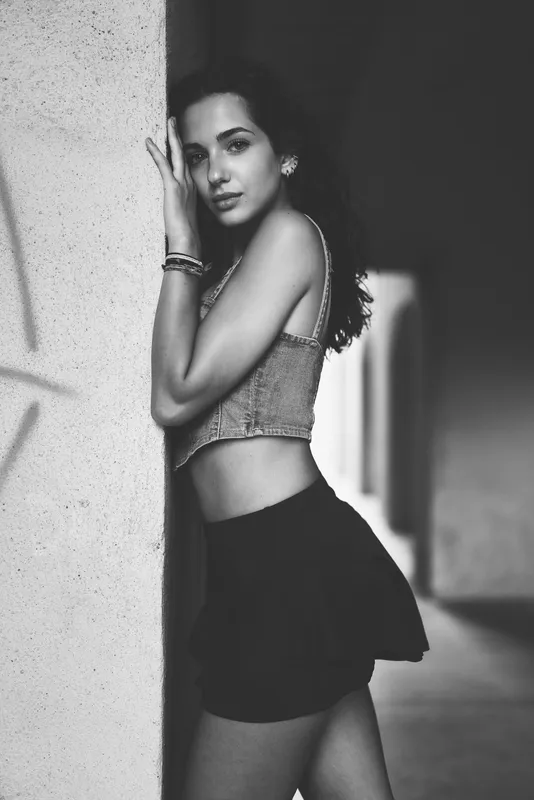
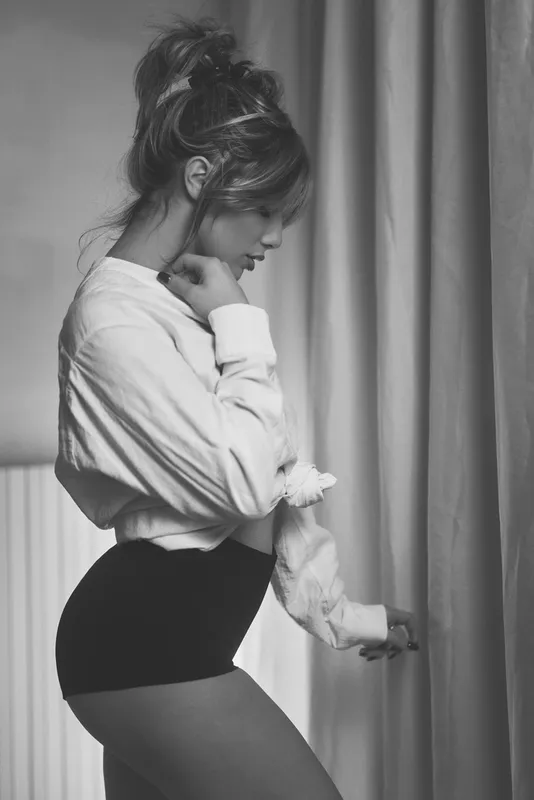
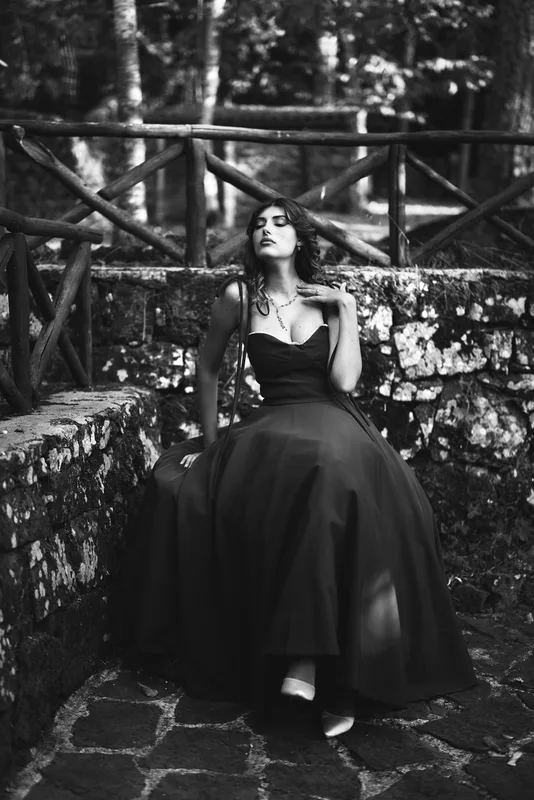
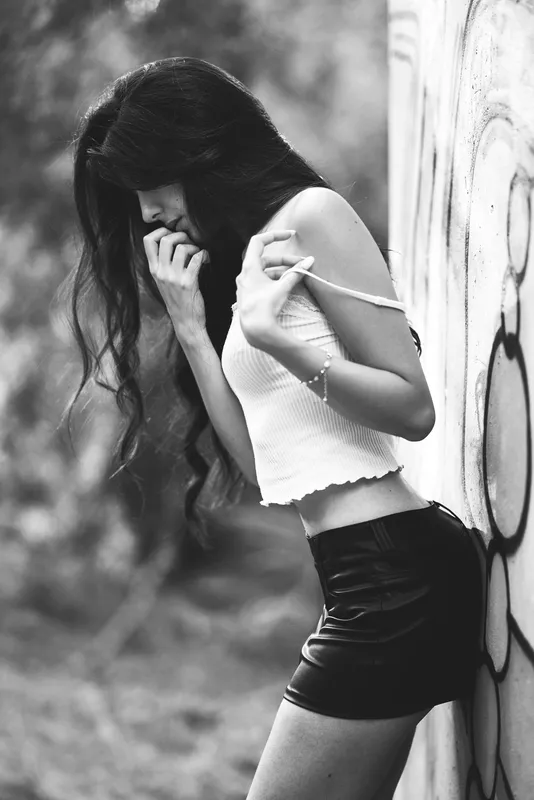

There is a remark that reaches me, every so often, from people who have never truly looked at one of my photographs but have felt the need to judge it. I know it by heart; it changes little from one mouth to another. It says that certain images are too much, that a body is a body, that a photographer who portrays a woman is looking for something else. I have learned to listen to it calmly, because that remark is not about my photographs. It is about the person who makes it. And this text exists to say so once, with all the clarity it deserves.
A photograph does not contain malice. It receives it, from whoever brings it along.
What I am really looking for
I have been photographing faces since I was fourteen, and since then I have been looking for one thing only: the instant in which a person stops defending themselves. Not beauty, which is a surface and wears out quickly. Not the pose, which is a performance. I look for truth, which is uncomfortable, which does not let itself be directed, which arrives when the trust between me and the person in front of me has become stronger than the fear of being seen. Black and white serves me for this: it takes away colour the way one removes background noise, and leaves the structure, the light, the fold of a thought on a face.
Whoever believes a portrait is the copy of a face has understood nothing about portraiture. A portrait is a meeting of three gazes: that of the person who lets themselves be photographed, mine, and that of whoever will look. The first two I know; I build them together, slowly and with respect. The third does not belong to me, and this is where the argument I want to make begins.
The mirror
For years I have studied, alongside photography, what happens in the person looking at it. I did so in books and verified it a thousand times in the field. Psychology has known it for more than a century: in front of an open image, one that imposes no meaning, each person deposits their own inner world. It is projection, the mechanism by which we read blots, clouds, unfamiliar faces. There is no neutral reading. There is a mirror, and each of us sees in it what we are.
This is why I say, without arrogance but without hesitation, that malice is never in the photograph. A body in the right light is form, is nature, is something ancient and serious like a landscape or a carved stone. The Greek sculptors knew it, Michelangelo knew it, anyone who has walked into a museum with open eyes knows it. Whoever sees only flesh in that form, whoever reads an invitation or a scandal into it, is not describing the image: they are confessing their own gaze. This is not my opinion. It has been written for two thousand years in a letter from Paul to Titus: to the pure, all things are pure. And Oscar Wilde, who knew a thing or two about hypocrisy, said it in his own way: those who find ugly meanings in beautiful things are corrupt without being charming.
The way you look at a woman in a photograph is the most honest portrait of you that exists.
Dignity, not pretext
I want to be precise, because on this point I allow no misunderstanding. The women I photograph are not a pretext. They are people who have chosen to entrust me with something, and my craft is never to betray them. I portray them for their strength, for their intelligence, for that dignity a studied pose would erase. Every image is born from an agreement, a conversation, a signed release and, before all that, a trust built over time. Many of these people have become friends, confidants, presences in my life. None has ever been an object in my viewfinder, and whoever insinuates it knows neither them nor me.
There is an ancient distinction, familiar to anyone who studies these things, between the body merely unclothed and the nude that becomes art. The difference does not lie in the body. It lies in the intention of the one who photographs and in the ability to read of the one who looks. The body, in a portrait, is the visible part of a presence, not its purpose. Whoever stops there has not yet learned to read, and that is no fault; it becomes a fault when that inability dresses itself up as moral judgement.
To those who throw mud
I respect criticism. Real criticism, born of an educated gaze and an idea of photography, is a gift, and from those who have practised it with me I have learned more than from compliments. I have no respect, on the other hand, for mud, which is something else: it has no arguments, it needs to raise its voice, and it looks in the image for a handhold to say what it had already decided to say. Mediocrity always needs a target, and an image that refuses to be reduced makes it uncomfortable.
To these people I owe no explanations, and this text is not a defence. It is an observation: every time someone sees evil in one of my photographs, I learn something about them, and nothing about the photograph. Those who know how to see, on the other hand, are in no hurry to speak: they stop, and let the image do its work.
Whoever looks at a photograph and finds evil in it has just signed their own self-portrait.
The meaning of all this
Why do I go on, then, despite the effort and despite the mud? Because I believe that photographing a face is a small gesture against time and against indifference. Because a true portrait tells someone that they existed, that they were seen, that they deserved to remain. And because the image, when it works, does not stop at the person portrayed: it reaches the viewer, and for an instant forces them to look at themselves. This is the meaning I have found in photography, and perhaps in life: one does not grow by accumulating answers, one grows by learning to see, and to see oneself better through others.
I have never believed I had arrived. Every new face teaches me, every person who trusts me corrects me, every print that comes off the paper reminds me that truth has weight and substance. The day I think I know everything, I will have stopped seeing. Until then I keep looking for the essential: an honest light, a real person, and a viewer willing to go beneath the surface.
If one of my images leaves you in silence, you have read it. If it outrages you without your being able to say why, look at it again, and then look at yourself. The photograph has already done its work.
Frequently asked questions
- Why do you say malice is not in the photograph?
- Because an open image imposes no meaning: it receives one from whoever looks. Psychology calls this mechanism projection. In front of the same portrait one person sees strength and another sees scandal, and the difference is not in the photograph but in the inner world of the one reading it.
- Is the nude in your portraits art or provocation?
- It is a search for truth and form. The body, in the right light, is nature, as it has been for sculpture in every age. The provocation, if there is one, lies in the gaze of those who expect a pretext and instead find a person with their dignity intact.
- How do you answer those who criticise your photographs?
- I distinguish criticism from mud. Criticism comes from a competent gaze and I listen to it; mud comes from what the person throwing it carries inside, and it deserves no answer. Every time someone sees evil in a portrait, they are describing themselves, not the image.
- What do you look for in a portrait?
- The instant in which a person stops defending themselves and lets what they are come to the surface. Not beauty or pose, but truth, with natural light and black and white as tools for removing the superfluous.

